
transparent mirror glass price
Understanding Differential Gauges A Comprehensive Overview Differential gauges are precision instruments widely employed across various industries including manufacturing, aerospace, and automotive. Their primary function is to measure the difference in pressure, which is crucial for ensuring optimal performance and safety in systems where pressure variances occur. This article delves into the fundamental principles of differential gauges, their types, applications, and significance in contemporary technology. Principles of Operation The basic working principle of a differential gauge involves two input ports that measure pressure from two different sources. The gauge then compares these pressures and displays the difference. This is critical in environments where pressure must be monitored closely to maintain safety and efficiency. The pressure difference can indicate whether a system is operating within its designated parameters or if there is a potential issue that needs addressing. The foundation of differential gauge operation commonly lies in various sensing technologies. These can range from mechanical devices—such as Bourdon tubes and diaphragm gauges—to electronic systems that utilize piezoresistive sensors. Each technology has its advantages and applications, with the choice largely depending on the specific requirements of the measurement task, including operating range, accuracy, and environmental conditions. Types of Differential Gauges Differential gauges can be broadly categorized into two main types 1. Mechanical Differential Gauges These employ physical mechanisms to measure pressure differences. They typically use a diaphragm that deflects in response to pressure changes. The deflection is then converted into an angular movement through a linkage system, providing a visual representation of the pressure difference on a dial or scale. Mechanical gauges are robust and reliable, making them suitable for various industrial applications. 2. Electronic Differential Gauges Leveraging modern technology, these gauges use electronic sensors and digital displays to provide precise measurements. They offer higher accuracy and the capability to store and transmit data for further analysis. Electronic gauges can also be integrated into automated systems, providing real-time monitoring and alerts for system performance. These advantages make them increasingly prevalent in high-tech applications across various sectors. differential gauge Applications Differential gauges are indispensable in several applications - HVAC Systems In heating, ventilation, and air conditioning, differential gauges are critical for monitoring air pressure differences across filters, ducts, and other components. This data helps ensure optimal airflow and energy efficiency. - Fluid Systems In industries handling various fluids, maintaining the correct pressure difference is vital for operational efficiency. Differential gauges are used to monitor levels in tanks, detect leaks, and ensure proper function of pumps and valves. - Automotive Industry In automotive testing, differential gauges aid in measuring engine pressures, exhaust systems, and braking mechanisms. Accurate pressure readings are crucial for performance testing and safety assessments. - Aerospace Differential gauges play a significant role in aircraft testing, where pressure differences can indicate altitude, speed, and aerodynamic performance. They help ensure that aircraft systems are functioning correctly and safely during flight. Conclusion In summary, differential gauges are essential tools in modern engineering and technology. Their ability to measure pressure differences with precision is vital for ensuring safety and efficiency in a myriad of applications, from everyday HVAC systems to advanced aerospace engineering. As technology continues to advance, the evolution of differential gauges will likely lead to even more sophisticated solutions that enhance measurement accuracy and system performance. Understanding these instruments, therefore, is crucial for professionals in engineering and related fields, as they play a key role in the seamless operation of various technological systems.
about
transparent mirror glass price
Understanding the Square Knife Gate Valve A Comprehensive Overview The square knife gate valve is an essential component in various industrial applications, specifically tailored for controlling the flow of liquids and slurries. This valve design is recognized for its unique ability to provide a reliable shut-off, making it a favorite in industries such as wastewater treatment, mining, and pulp and paper production. In this article, we will explore the features, advantages, and applications of the square knife gate valve. What is a Square Knife Gate Valve? A square knife gate valve is a type of isolation valve characterized by a sliding blade, often referred to as a knife, that cuts through the medium being controlled. Unlike traditional gate valves that utilize a wedge design, the knife gate valve features a square-shaped blade, which offers several advantages for handling challenging materials like slurries and thick liquids. The design allows for excellent performance in both fully open and fully closed positions, ensuring minimal turbulence in the flow path. Key Features 1. Material Construction Square knife gate valves are typically made from robust materials, including stainless steel, cast iron, and various alloys. This helps ensure durability and resistance to corrosion, particularly in harsh environments. 2. Self-Cleaning Design The sharp edges of the knife blade enable the valve to slice through solids and particulates within the medium, effectively preventing clogging and ensuring a clean shut-off. This is vital in applications where sediments and sludges are prevalent. 3. Compact Size The square design often allows for a more compact installation compared to conventional valves. This is particularly advantageous in spaces where installation footprint is limited. 4. Versatile Operation Square knife gate valves can be operated manually, pneumatically, or electrically, providing flexibility in automation and control according to the needs of the specific application. Advantages of Square Knife Gate Valves 1. Reliable Flow Control The design of the square knife gate valve ensures an effective shut-off, making it ideal for controlling the flow in and out of systems. The valve can handle high-pressure applications without compromising performance. square knife gate valve 2. Reduced Maintenance Due to their self-cleaning capabilities and robust construction, square knife gate valves typically require less maintenance than other valve types. This can lead to lower operational costs and reduced downtime in industrial processes. 3. Enhanced Safety The ability to provide a tight seal helps prevent leakage, which is crucial in applications dealing with hazardous materials. This enhances safety for operators and the surrounding environment. 4. Adaptability Whether dealing with slurries, liquids, or even gases, the square knife gate valve can be customized for different applications, making it a versatile choice for manufacturers and process engineers alike. Applications Square knife gate valves find their utility in numerous industries, specifically in scenarios where reliability and performance in flow control are paramount. Key applications include - Wastewater Treatment They manage the flow of sludge and wastewater, ensuring efficient processing and minimal environmental impact. - Mining Operations In mining, these valves assist in controlling the flow of slurries and concentrates, allowing for effective material handling. - Pulp and Paper Manufacturing The valve’s ability to cut through thick liquids makes it invaluable in pulping processes. - Food and Beverage Cleanability and reliability are crucial in this sector, making square knife gate valves suitable for managing ingredients and waste materials. Conclusion In summary, the square knife gate valve presents a robust solution for flow control in various challenging environments. Its unique design features, coupled with significant advantages, make it a preferable choice across multiple industries. As technology continues to advance, the square knife gate valve will likely evolve further, maintaining its crucial role in modern industrial applications. Whether you're looking to upgrade an existing system or install new machinery, considering a square knife gate valve may provide the reliability and efficiency your operations demand.
-

High quality industrial productsagement

High quality industrial products
View Details -

Meet the diverse needs of customers

Meet the diverse needs of customers
View Details -

Strict quality control

Strict quality control
View Details -

Top raw materials

Top raw materials
View Details -

Trusted supplier

Trusted supplier
View Details
Our application
news and information
Wholesale Options for High-Quality Butterfly Valves at Competitive Prices
The Rise of Butterfly Valve Wholesale A Comprehensive Overview In the realm of industrial applicatio
Valvola di ritegno 6an per sistemi idraulici e pneumatici di alta qualità
Il settore industriale moderno richiede soluzioni efficienti per il controllo del flusso di fluidi,
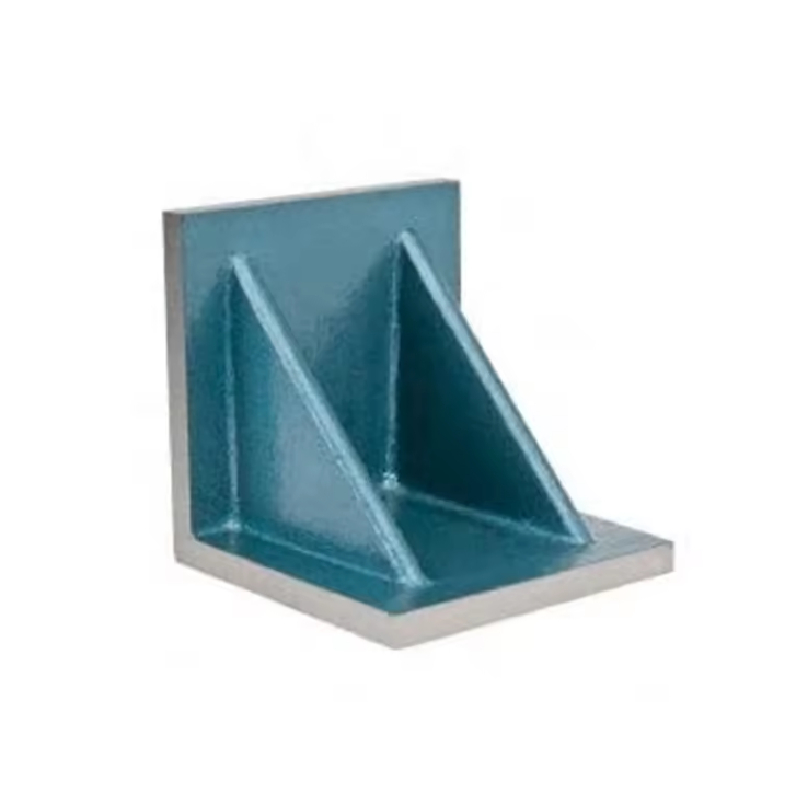
Welding and Fabrication Tables Available for Purchase Online
welding fab table for sale .
 English